Is Pumpkin Really Good for Cats with Soft Stools?
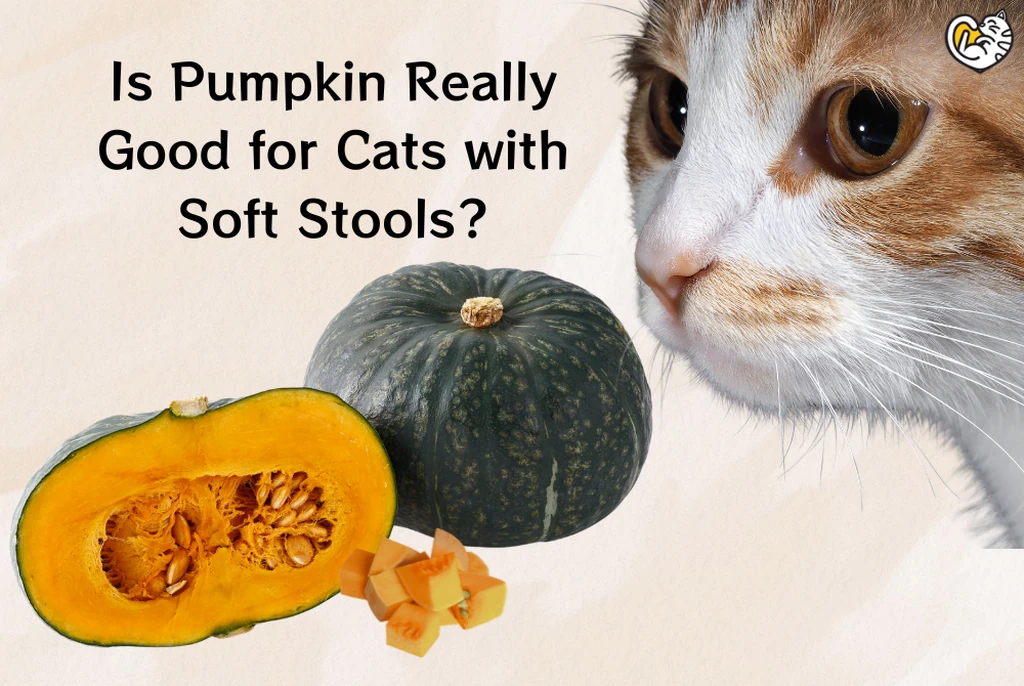
For some cat owners, reaching for a pumpkin-based solution is the first line of defense against soft stools or constipation.
While often recommended as a ‘natural cure-all,’ understanding feline biology reveals that pumpkin functions mainly as a mechanical tool for stool control – not a true solution for gut healing.
Want your cat to live the longest, healthiest, and happiest life?
It starts with what’s in their bowl.
Every meal is a chance to give your cat more energy, fewer vet visits, a shinier coat, and a longer, happier life by your side.
Choose food that truly understands your cat’s needs.
Choose Grace Cat. 🐾

Malaysia’s First Freeze-Dried Complete Meal With Krill Oil & Postbiotic
The Fiber Profile of Pumpkin
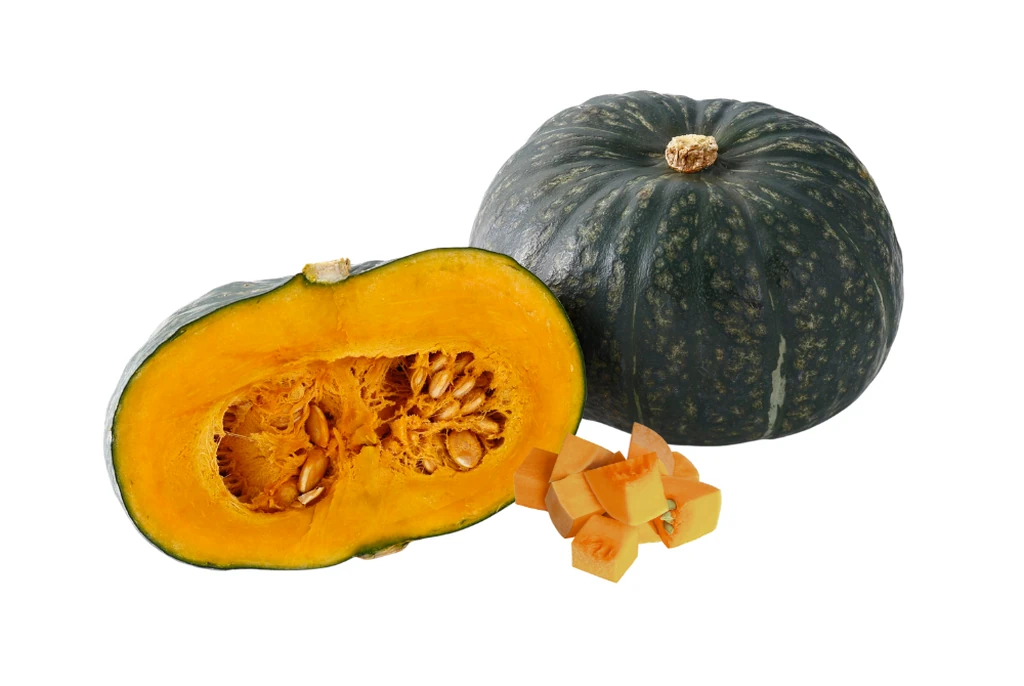
Contrary to the general belief that pumpkin is a balanced fiber source, it mostly contains insoluble fiber. Specifically, pumpkin contains approximately 2.4g of insoluble fiber compared to only 0.5g of soluble fiber per 100g. That’s about 82.76% of insoluble fiber and 17.24% of soluble fiber.
While the small amount of soluble fiber can store water to moisturize and soften stools, the primary action of pumpkin is driven by its insoluble content. As they bulk the stools, insoluble fibers can be helpful in case of constipation if it’s caused by the stools being too small. However, there is a significant risk to over-supplementing: too much insoluble fiber (more than 10% of the dry matter) will decrease the digestibility of the diet and the absorption of nutrients.
The Obligate Carnivore Conflict
The primary reason pumpkin should be viewed with caution is the biological nature of the cat. Cats are karnivor wajib, and the consumption of carbohydrates (including plant-based fiber) in nature is almost negligible.
- Non-Essential Nutrient: Fiber is a type of carbohydrate that cats have no essential need for; they will not suffer a nutrient deficiency if it is absent from their diet.
- Metabolic Limitations: Cats have a limited ability to process plant matter. Because insoluble fibers are not broken down by gut bacteria, they pass through the system primarily to increase transit time and add bulk.
- Dosage Thresholds: While the ideal proportion for cats is a 3:1 ratio of insoluble to soluble fiber, it is generally recommended to keep total fiber to less than 5% of the diet on a dry matter basis to avoid interfering with nutrition.
When “Gentle” Fiber Becomes an Irritant
The common narrative that pumpkin is “gentle” ignores the specific sensitivities of the feline digestive tract. Because cats have short digestive tracts, adding unnecessary plant bulk can lead to complications:
- Gastrointestinal Distress: Feeding too much fiber, even the fermentable soluble portion – can cause diarrhea, gas and bloating.
- Masking Symptoms: Because pumpkin acts as a mechanical stool regulator, it often improves the appearance of the stool while the underlying gut problem (such as inflammation or dysbiosis) remains unaddressed.
True Gut Health vs. Stool Appearance
True gut health is driven by a balanced microbiome and the release of short-chain fatty acids (SCFAs), which provide energy to the cells lining the intestine.
Recent research into “animal fibres” suggests that obligate carnivores like cats evolved to get these benefits from animal tissue. In the wild, cats consume tendons, cartilage, skin and fur, which play the same roles as plant fiber:
- Fermentation: Animal components like collagen and cartilage are fermentable in the large intestine, acting like soluble fiber to support the microbiota.
- Bulking: Matters such as hair, skin, and bone bulk the stools and regulate transit time just like insoluble fiber.
Is Pumpkin Good for Soft Stool in Cats?
Answer: Sometimes, temporarily – but it’s not a true solution.
Why people say it “works”
Pumpkin contains small amount of soluble fiber, which:
- Absorbs water → can firm loose stool
- Adds bulk → can soften overly hard stool
That’s why it’s often recommended as a short-term aid. But, this is mechanical stool control, not gut healing.
Pumpkin doesn’t:
- Repair gut lining
- Improve microbiome balance
- Address inflammation
- Fix underlying dysbiosis
So yes – poop may look better, while the gut problem remains.
Is the Pumpkin Advice Overused / Misinformed?
Answer: Yes. Very.
Most internet advice is:
- Based on dogs, not cats
- Repeated without context
- Used as a “natural cure-all”
For cats, pumpkin is often treated like:
“Safe, so just try it.”
That’s not the same as optimal.
Can Fiber Irritate a Cat’s Gut?
Yes – and this is where things get ignored online.
Cats have:
- Short digestive tracts
- Low carbohydrate tolerance
- Limited ability to ferment fiber
What Can Go Wrong with Fiber in Cats:
- Gas & bloating
- Increased stool frequency
- Mucus in stool
- Worse soft stool (especially insoluble fiber)
- Irritation in cats with IBD or sensitive gut
So when people say:
“Pumpkin is gentle”
The real answer is:
“Gentle for some cats, problematic for others.”
Cats are Obligate Carnivores
This part is not debatable.
Cats evolved to:
- Eat animal tissue
- Get nutrients from protein & fat
- Rely on gut bacteria adapted to animal-based diets
They do not require plant matter in their diet.
Fiber is:
- Not essential for cats
- Only useful in specific medical or transitional cases
So using pumpkin as a daily digestive solution contradicts feline biology.
Why Fiber ≠ Gut Health
People confuse:
- 💩 Stool appearance
with - 🧠 Gut health
Fiber changes stool texture, not gut function.
Postbiotics, on the other hand:
- Support gut barrier integrity
- Reduce inflammation
- Improve microbiome balance
- Work without adding plant bulk
That’s a massive difference.
The Honest, Science-aligned Conclusion
Pumpkin:
✔ May help short-term stool firmness
✔ Cheap
❌ Not species-appropriate as a long-term solution
❌ Can irritate sensitive cats
❌ Doesn’t fix root causes
Animal-based functional ingredients (e.g. postbiotics):
✔ Species-appropriate
✔ Supports gut health at microbiome level
✔ No plant load
✔ Suitable for daily use
Postbiotics: Supporting the Gut at the Microbiome Level
If fiber’s primary role is to shape stool, postbiotics address something far more fundamental – the health and stability of the gut environment itself.
Postbiotics are the beneficial compounds produced when probiotics ferment substrates in the gut. These compounds include short-chain fatty acids (SCFAs), organic acids, enzymes, and antimicrobial peptides, all of which play direct roles in maintaining intestinal integrity.
Unlike plant-based fibers that rely on fermentation inside the gut (which cats are not biologically optimized for), postbiotics deliver functional benefits without adding plant bulk.
Key benefits of postbiotics for cats include:
- Strengthening the gut barrier: SCFAs help nourish intestinal cells and maintain tight junctions, reducing gut permeability.
- Balancing the microbiome: Postbiotics create an environment that favors beneficial bacteria while discouraging harmful strains.
- Reducing inflammation: Helps calm irritated digestive tracts commonly seen in cats with chronic soft stool.
- Supporting consistent stool quality: By improving gut function rather than merely altering stool texture.
In essence, postbiotics help restore how the gut works, not just how the stool looks.
From Temporary Fixes to True Digestive Support
Pumpkin and other fiber sources may offer short-term stool-shaping benefits, but they do not correct the underlying drivers of digestive imbalance.
For cats with recurring soft stool, gas or sensitive digestion, the priority should be:
- Highly digestible animal-based protein
- Adequate moisture
- Species-appropriate functional support such as postbiotics
This approach aligns with feline biology and supports long-term digestive resilience rather than relying on repeated mechanical interventions.
A Balanced Perspective: Why Fiber is a Temporary Fix, Not a Gut Health Solution
Fiber can have benefits, such as supporting the growth of beneficial gut bacteria and preventing diarrhea when used in very small quantities. However, for a cat with a sensitive stomach, pumpkin should be viewed as a short-term mechanical aid rather than a daily staple.
The most science-aligned approach is to recognize that fiber can help temporarily, but gut health in cats isn’t about adding plants. Instead, it is about supporting the microbiome they evolved with. If you cannot feed animal-based fibers like whole prey, plant-based fibers should be used experimentally and sparingly to find what fits your cat’s specific needs.
Besides, postbiotics represent a more precise, species-appropriate way to promote digestive balance – making them a superior long-term strategy compared to routine use of pumpkin or other plant fibers.
That’s the science-based reason we use SGS-certified postbiotic in our Freeze-dried Complete Meal, gloow Postbiotic Pet Lick, dan jooy Hairball Gentle Flow topper. And we’re glad that customer feedback has been very positive: cats’ gut health improved, soft stools became firm within 1–2 days, diarrhea stopped, constipation was relieved, and more.
Rujukan:
- National Research Council. 2006. Nutrient Requirements of Dogs and Cats. Washington, DC: The National Academies Press.
- Rochus K, Janssens GP, Hesta M. Dietary fibre and the importance of the gut microbiota in feline nutrition: a review. Nutr Res Rev. 2014 Dec;27(2):295-307.
- Kerr KR, Morris CL, Burke SL, Swanson KS. Apparent total tract energy and macronutrient digestibility of one- to three-day-old, adult ground, extruded, and canned chicken-based diets in domestic cats (Felis silvestris catus). J Anim Sci. 2014 Aug;92(8):3441-8.
- Kerr KR, Morris CL, Burke SL, Swanson KS. Apparent total tract macronutrient and energy digestibility of 1- to- 3-day-old whole chicks, adult ground chicken, and extruded and canned chicken-based diets in African wildcats (Felis silvestris lybica). Zoo Biol. 2013 Sep-Oct;32(5):510-7.
- K. R. Kerr, C. L. Morris, S. L. Burke, K. S. Swanson, Influence of dietary fiber type and amount on energy and nutrient digestibility, fecal characteristics, and fecal fermentative end-product concentrations in captive exotic felids fed a raw beef-based diet, Journal of Animal Science, Volume 91, Issue 5, May 2013, Pages 2199–2210
- HandMichael, S., Morris, M., & Novotny, B.J. (2000). Small animal clinical nutrition.
- Butowski CF, Thomas DG, Young W, Cave NJ, McKenzie CM, Rosendale DI, et al. (2019) Addition of plant dietary fibre to a raw red meat high protein, high fat diet, alters the faecal bacteriome and organic acid profiles of the domestic cat (Felis catus). PLoS ONE
- Case, L., Carey, D.P., Hirakawa, D.A., & Daristotle, L. (2000). Canine and feline nutrition : a resource for companion animal professionals.
- Depauw S, Bosch G, Hesta M, Whitehouse-Tedd K, Hendriks WH, Kaandorp J, et al. Fermentation of animal components in strict carnivores: a comparative study with cheetah fecal inoculum. J Anim Sci. (2012)
- Dhingra, Devinder et al. “Dietary fibre in foods: a review.” Journal of food science and technology vol. 49,3 (2012)
- Marlett JA, Cheung TF. Database and quick methods of assessing typical dietary fiber intakes using data for 228 commonly consumed foods. J Am Diet Assoc. 1997
Still feeding low-quality pet lick treat to your pets?
You could be giving them a time bomb in disguise — one that slowly harms their health, weakens their immunity, and makes them sick.
It’s time to switch to safer, healthier options — before it’s too late.
Try out our gloow Nutrition Pet Lick – The first Algal Oil & Postbiotic Pet Lick in Malaysia